

 中文
Classic Slots vs Video Slots: Key Differences Explained
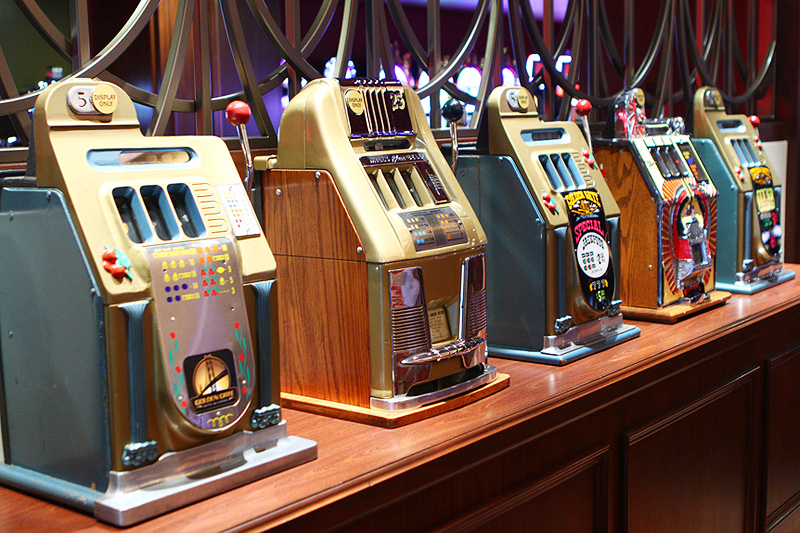
Classic Slot Machines vs. Video Slots: What Sets Them Apart?
For well over a century, slot machines have been a defining feature of casinos and gambling venues around the world. When most people picture a casino floor, slots are among the first things that come to mind — right alongside games like blackjack. What began as simple mechanical devices has transformed into a diverse landscape of sophisticated, visually immersive experiences found in gaming establishments across the globe.
There are currently two broad categories of slot machines that players encounter: classic slots — sometimes referred to as mechanical, traditional, or reel slots — and video slots. While both share fundamental principles like spinning reels and matching symbols for payouts, they differ significantly in terms of design, gameplay mechanics, and available features. Platforms like Thorfortune offer access to a wide range of both types, making it easier than ever to explore what each style has to offer. Understanding these distinctions can be especially helpful for newer players trying to figure out which type of experience suits them best.
Classic Slot Machines: Born in the 1890s
The origin of the slot machine dates back to 1895, when mechanical engineer Charles Fey invented the Liberty Bell — a three-reel device featuring five symbols: horseshoes, diamonds, spades, hearts, and a cracked Liberty Bell. This foundational design established the blueprint for classic slots, and remarkably, the core mechanics of modern reel-based machines still trace their roots back to Fey's 130-year-old creation.
Gameplay on a classic slot is refreshingly straightforward. Players pull a lever, the reels spin, and winnings are determined by matching symbols across a limited number of paylines — typically anywhere from one to five. Common symbols include cherries, bars, bells (a nod to Fey's original design), and the lucky number 7. There are no elaborate bonus features or complex mechanics to navigate.
Many people's mental image of a slot machine is exactly this: rows of machines with players seated in front of them, and the occasional cascade of coins when someone hits a winning combination. Classic slots carry a nostalgic charm that modern games simply cannot replicate, and for those who prefer a more traditional gambling experience, that appeal is entirely understandable.
The Rise of Video Slots
As video and computer technology advanced throughout the 1970s, 80s, and 90s, slot machines evolved alongside it. Today's video slots are entirely digital — not just in terms of their displays, but in every aspect of their gameplay. This shift has driven their growing dominance in both physical casinos and online gaming environments.
One of the most notable mechanical differences is the number of reels and paylines. While classic machines typically offer three reels and a handful of paylines, video slots generally feature five or more reels and can provide hundreds or even thousands of ways to win in a single spin.
Some video slots use the increasingly popular Megaways engine, which dynamically alters the number of symbols on each reel with every spin, dramatically expanding winning possibilities. Certain games even incorporate cascading mechanics reminiscent of match-three puzzle games, where matched symbols disappear and new ones fall into place, potentially triggering chain reactions of wins.
Visual Differences Between Classic and Video Slots
The visual contrast between these two types of machines is perhaps the most immediately obvious distinction. Classic reel slots feature physical spinning drums, giving them a tangible, mechanical quality. Video slots, on the other hand, use digital screens to display animated reels and elaborate visual effects.
In terms of aesthetics, classic machines tend toward a clean, minimalist style — functional and uncluttered. Video slots, however, can deliver cinematic visual experiences, complete with detailed animations, themed environments, and storylines. A video slot might transport players to an ancient jungle temple through rich graphics and dynamic animations in a way that no mechanical machine ever could.
Gameplay Features and Payout Structures
Functionally, classic slot machines have changed very little since Charles Fey's time. The lever is pulled, the reels spin, and matching symbols trigger a payout. The appeal lies in this very simplicity — though it also means that bonus features are minimal. Occasionally, players might encounter a small multiplier or an extra payline, but for the most part, classic slots are pure spin-and-win affairs.
Payout structures on classic machines are equally straightforward. Betting limits tend to be low, jackpots are fixed, and the range of winning combinations is limited. Players generally have little control over how much they wager beyond what the machine permits.
Video slots, by contrast, can offer an extensive array of bonus features, including:
- Free spins rounds
- Expanding wild symbols
- Cascading or tumbling reels
- Variable multipliers
- Mini-games and themed bonus rounds
- Progressive storylines unlocked through gameplay
Betting options on video slots are also far more flexible. Players can often choose how many paylines to activate, adjust stake sizes across a wide range, or engage cluster pay mechanics — where groups of identical symbols trigger wins regardless of their position on a traditional payline. Progressive jackpots are another major draw, with a portion of every bet contributing to an ever-growing prize pool that can be linked across multiple machines or even multiple casinos, resulting in potentially life-changing payouts.
Availability and Accessibility
Both classic and video slots can be found on the floors of land-based casinos, but video slots have seen explosive growth thanks to the rise of online gaming. After all, the physical act of inserting a coin or pulling a mechanical lever doesn't translate well to a digital environment — something that classic slots inherently struggle with online.
The accessibility of video slots has been a key driver of their popularity. Many come with free-play modes that let players try out a game without risking real money, lowering the barrier to entry considerably. Whether someone is an experienced gambler or a curious newcomer, video slots offer a welcoming and flexible entry point.
Ultimately, the right choice comes down to personal preference. Classic reel slots offer timeless simplicity and an old-school charm that some players genuinely treasure — if all you want is to spin the reels without distractions, they deliver exactly that. Video slots, meanwhile, cater to those who enjoy deeper gameplay, more ways to win, and engaging bonus content. Whatever your preference, there's no shortage of exceptional slot options waiting to be discovered at a great casino near you.